Access issues and delays for Tottenham garden maintenance jobs
If you have ever booked garden work and then watched the day unravel because the gate was locked, a car was blocking the drive, or the garden path was cluttered with bags and bikes, you already know the problem. Access issues and delays for Tottenham garden maintenance jobs are one of those very ordinary things that can turn a simple visit into a longer, messier, more expensive appointment. It is not glamorous, but it matters. A lot.
This guide breaks down what causes delays, how professionals usually handle them, and what you can do before the team arrives so the job stays on track. Whether you are arranging routine mowing, hedge cutting, a bigger tidy-up, or a more involved visit, the aim is the same: fewer surprises, smoother work, and less stress for everyone. Let's be honest, nobody wants to stand in the rain waiting for a key that's somewhere "in the kitchen drawer".
- Why access issues and delays matter
- How access issues and delays typically happen
- Key benefits of planning access properly
- Who this is for and when it makes sense
- Step-by-step guidance
- Expert tips for better results
- Common mistakes to avoid
- Tools, resources and recommendations
- Law, compliance, standards and best practice
- Options, methods or comparison table
- Case study or real-world example
- Practical checklist
- Conclusion
- Frequently asked questions
Why access issues and delays for Tottenham garden maintenance jobs Matters
Garden maintenance looks straightforward from the outside. A team arrives, gets on with the mowing, hedge trimming, clearing, or planting, and leaves the place tidy. In practice, access can make or break the schedule. Narrow side paths, shared entrances, tight parking, noisy neighbours, a missing key, or a dog that thinks every visitor is a threat can all slow things down.
In Tottenham, the mix of terraced houses, shared access routes, side returns, rear gardens, and busy streets means access planning is often more important than the actual task list. A lawn job that should take an hour can stretch if equipment has to be carried a long way from the van. A clearance visit can drag if waste has to be moved through a cramped hallway one bag at a time. It all adds up.
That is why good preparation is not just a courtesy. It affects timing, labour, safety, and sometimes the final quote. If you want a wider view of what is normally available across the area, the services overview and the main garden maintenance page are useful starting points.
Expert summary: the best way to reduce delays is to treat access as part of the job, not as an afterthought. A clear gate, a clear path, and a clear contact number can save more time than most people expect.
How access issues and delays for Tottenham garden maintenance jobs Works
Most garden jobs follow a simple pattern. The team arrives, confirms access, unloads tools, assesses the site, completes the agreed work, and clears away waste. Delays usually appear at the edges of that process, not in the actual gardening. Small things become friction points.
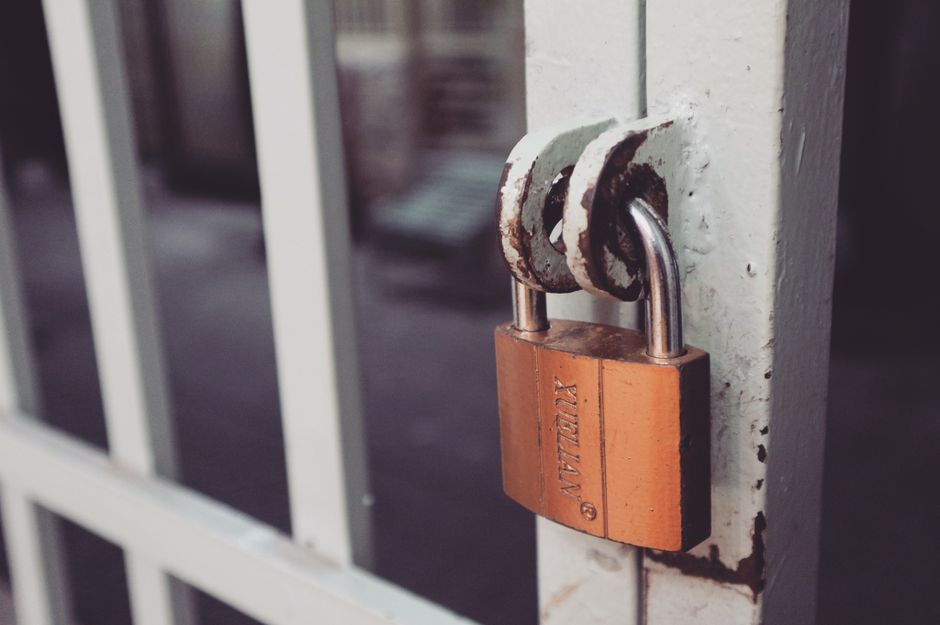
For example, if the front gate is padlocked and nobody has the code, the team may have to wait. If the rear garden can only be reached through the house, then muddy boots, waste bags, ladders, and pruning tools need a careful route through the property. If the van cannot park close enough, the whole job slows because everything has to be carried further. Not dramatic, but very real.
Professional teams often ask about access before the visit because the answer changes how they plan labour and equipment. A simple mowing appointment and a full-scale tidy-up are not handled the same way. Jobs involving heavy waste or woody material may also need different planning, especially if they connect with garden clearance, lawn mowing, hedge trimming, or even tree lopping and removal.
In plain English, access planning is about answering three questions early: Can the team get in? Can they work safely? Can they get waste out without creating delays? If the answer to any of those is "maybe", the schedule can wobble.
Key Benefits and Practical Advantages
When access is sorted properly, the whole experience feels calmer. The team spends more time doing the actual gardening and less time improvising around obstacles. That is good for the homeowner, good for the worker, and usually good for the budget too.
- Faster completion: less waiting, fewer repeated trips, and less time spent carrying tools around obstacles.
- Cleaner results: easier access means waste can be removed tidily instead of being stacked and shifted around the garden.
- Better safety: clear routes reduce trips, slips, and awkward lifting.
- More accurate planning: the team can bring the right equipment and enough time for the visit.
- Less disruption: neighbours, tenants, and family members are less likely to be inconvenienced.
There is also a trust angle here. When a provider asks sensible questions about gates, parking, dog access, keys, or side entrances, it usually means they are thinking properly about the job rather than just quoting blind. That is the sort of detail you want.
If you are comparing different kinds of outdoor work, the same principle applies to landscaping too. The difference is that larger projects often involve more materials, more deliveries, and more movement through the site. For planning broader upgrades, you may want to look at landscaping or landscape gardening.
Who This Is For and When It Makes Sense
This topic matters to more people than you might think. It is not just for homeowners with tricky side access. It is relevant for landlords, letting agents, property managers, housing associations, and anyone booking recurring garden care for a property in Tottenham.
It makes sense to think carefully about access if any of the following sound familiar:
- the garden is reached through the house rather than a side gate
- parking near the property is limited or shared
- the gate is narrow, uneven, or stiff to open
- there are pets that need to be secured
- waste needs to be taken through communal areas
- the garden is overgrown and difficult to walk through safely
- you are arranging repeat maintenance and want fewer interruptions
It also matters if the work is seasonal. Early spring and late summer are busy periods for many garden teams, and even a minor access problem can push a job behind schedule. On a warm, dry afternoon, that might only mean a short delay. On a wet morning with parked cars everywhere and a narrow path to the back garden, it can become a proper headache.
To be fair, some people assume access issues are "just part of the job". They are, to a point. But the better the planning, the less they bite.
Step-by-Step Guidance
Here is a practical way to handle access and reduce delays before a garden maintenance visit.
- Walk the route first. Start at the street and follow the same route the team will use. Check gates, latches, steps, surfaces, and anything that could slow carrying tools.
- Identify the main access point. Front gate, side passage, rear entry, communal hallway, or through-house access. Decide which route is actually usable on the day.
- Clear the path. Move bikes, bins, toys, plant pots, sacks, and anything else that narrows the route. Even a small obstruction can matter when someone is carrying a mower or hedge trimmer.
- Arrange keys, codes, or permissions. If the gate code changes, let the team know. If a neighbour controls access, confirm that in advance. Sounds obvious, but this is where delays often start.
- Sort parking and unloading. If there is a loading bay, permit bay, or a sensible place to stop, tell the team. If parking is tight, mention that too so they can plan for the carry distance.
- Protect pets and residents. Keep dogs, cats, and small children away from work areas. A busy morning and an excited dog are not a good combination, frankly.
- Flag special hazards. Broken paving, unstable steps, rot, hidden trip risks, or low wires should be mentioned before the visit.
- Confirm the scope. If access is harder than expected, the job may need to be split, rescheduled, or adjusted. Better to know that early than on arrival.
A sensible provider will usually ask for this information anyway. If you are still at the quotation stage, pricing and quotes is the kind of page that helps set expectations before anyone turns up with tools in hand.
Expert Tips for Better Results
Small adjustments make a big difference. In our experience, the jobs that run smoothly usually have a few quiet things in common.
- Send photos before the visit. A couple of clear pictures of the gate, route, and garden entrance can reveal problems that are easy to miss over the phone.
- Leave a note about the access route. Especially if the normal route is not obvious. One line of guidance can save ten minutes of wandering.
- Use temporary markers sparingly. If there are delicate plants, mark them clearly so they do not get trampled when the team is carrying equipment.
- Keep the first visit realistic. If the garden is badly overgrown, do not expect the same pace as a routine tidy-up. That just is not how it works.
- Plan waste removal in advance. If a lot of cuttings or debris need to come out, make sure the route can handle the traffic.
- Choose the right service for the job. A tidy lawn visit is different from a full clearance. If you are unsure, the broader garden maintenance service can often be a better fit than trying to shoehorn everything into one appointment.
One small but useful habit: keep the gate key or code in the same place every time. Nothing fancy. Just consistent. It prevents that awkward five-minute scramble where everyone is trying to be polite while also being quietly delayed.
Common Mistakes to Avoid
Most access problems are avoidable. The trouble is they are easy to underestimate when you are focused on the garden itself.
- Not mentioning shared access. Shared hallways, neighbour gates, and communal paths need advance notice.
- Assuming the team can "just squeeze through". If the mower or waste bags barely fit, the job will slow down.
- Leaving the garden cluttered. Garden furniture, bins, hosepipes, and children's toys often cause more delay than the actual plants.
- Ignoring parking reality. A job may be technically possible, but if the van has to park a long way off, the visit can take longer than expected.
- Forgetting about pets. Even friendly dogs can create chaos when strangers are carrying tools and opening gates.
- Booking too much for one slot. If the access is tricky, large jobs may need more time or a split visit.
The same applies to associated work. For example, hedge work or tree work can involve bigger kit and more waste. If the route is awkward, even a well-planned day can end up feeling rushed. That is why a bit of honesty at the start is so valuable.
Tools, Resources and Recommendations
You do not need specialist software to solve access problems. Most of the time, a short checklist, a few photos, and a clear conversation are enough. Still, a couple of practical tools can help.
- Phone photos or a quick video: useful for showing the entrance, path width, gate type, and any awkward bends or steps.
- Basic site notes: jot down gate codes, parking details, and where waste should be left or collected.
- Temporary route clear-up: a broom, bin bags, and a few minutes of tidying before the team arrives can prevent snagging and slipping.
- Calendar reminders: useful if keys or parking permits need to be left out on a specific day.
If you want to understand the wider company context before booking, the about us page gives a better sense of approach, while the insurance and safety page is reassuring if you are concerned about risk around access, lifting, or tools being moved through narrow spaces.
For properties with cluttered or neglected outdoor areas, it can also help to think in phases: first clear the access route, then do the garden work, then remove waste. Simple, but effective.
Law, Compliance, Standards, or Best Practice
Access issues are not just a convenience matter. They can touch on safety, liability, and reasonable working practice. In the UK, garden work is usually governed by common-sense health and safety expectations rather than anything exotic, but that still matters.
Good practice typically includes:
- keeping access routes reasonably safe and free from avoidable trip hazards
- warning about unstable paving, broken steps, or hidden hazards
- making sure animals are secure while work is underway
- providing safe entry and exit for workers carrying tools or waste
- clarifying any restrictions on parking, unloading, or waste placement
If work involves higher-risk elements, such as larger trees, heavy pruning, or awkward removals, then clear planning becomes even more important. It is sensible to review a provider's health and safety policy and, where relevant, the details of their accessibility statement. Those pages can help you judge whether the business thinks carefully about practical obstacles rather than treating them as surprises.
Also worth saying: if something on site feels unsafe, pause and discuss it. That is not being difficult. That is being sensible.
Options, Methods, or Comparison Table
Different access setups create different levels of delay. Here is a straightforward comparison to help set expectations.
| Access setup | Typical impact | Best approach |
|---|---|---|
| Direct front or side access with clear parking | Usually the smoothest; minimal delay | Confirm the route and keep it clear |
| Rear garden through a house or communal area | More handling time and possible disruption | Protect floors, secure pets, and agree the route in advance |
| Narrow passage with steps or uneven paving | Slower movement and higher risk of trip hazards | Clear obstacles and flag hazards before arrival |
| Limited parking or long carry distance | Extra time for unloading and waste removal | Provide parking guidance and allow a wider time window |
| Overgrown or cluttered garden access | Can slow work significantly, especially on first visits | Start with clearance, then move into maintenance |
For some properties, a one-off tidy-up makes sense before regular visits begin. That is especially true if you are dealing with a garden that has grown away a bit. Happens to the best of us.
Case Study or Real-World Example
Here is a realistic example. A Tottenham homeowner booked a routine maintenance visit for a small rear garden. On paper, it looked simple: mow the lawn, trim the hedge, and remove some cuttings. On arrival, the team found the side gate locked, the only alternative route ran through a narrow hallway, and a child's scooter plus two bags of compost were blocking the back door.
The job still got done, but not as quickly as planned. The team had to wait while access was arranged, move items carefully, and take extra care through the house. Nothing disastrous happened, but the visit took longer and felt more disruptive than it needed to be.
On the next visit, the homeowner did three things differently: left the side gate unlocked, cleared the path the evening before, and confirmed parking instructions by message. The difference was immediate. The team got straight to work, the garden looked tidier sooner, and everyone had an easier day. That is the sort of change that sounds minor until you live it.
For repeat jobs, the same thinking applies to regular cutting and ongoing upkeep. A well-prepared route makes lawn mowing and hedge work much less stressful, especially when the weather is doing its usual London thing.
Practical Checklist
Before your next visit, run through this quick checklist. It is boring, yes, but useful.
- Are all gates unlocked or accessible with the correct code?
- Is the main route from street to garden clear of clutter?
- Have pets been secured away from the work area?
- Are parking or unloading instructions confirmed?
- Has the team been told about narrow paths, steps, or uneven surfaces?
- Have fragile plants, ornaments, and garden furniture been moved if needed?
- Do you know where waste should be collected or left?
- Is there a backup contact number in case the team cannot get in?
- Have you made it clear if access will only be available at a specific time?
- Is the job scope still realistic for the space and route available?
If your garden needs more than routine care, the right first step may be a full clearance rather than trying to work around clutter. A cleaner route often leads to better results from day one.
Get a free quote today and see how much you can save.
Conclusion
Access issues and delays for Tottenham garden maintenance jobs are not a small admin detail. They shape how quickly the work gets done, how safe it feels, and how smooth the whole appointment is from start to finish. A little preparation upfront can save a surprising amount of time later.
If you remember only one thing, make it this: think about the route to the garden before the team arrives, not after. Clear the path, confirm the key, sort the parking, and mention anything awkward in advance. That one habit alone can prevent most of the avoidable delays people grumble about later.
And if the space is genuinely awkward, don't worry. Most access problems have workable solutions. They just need honest planning and a bit of local know-how. Truth be told, that is often enough.
Frequently Asked Questions
What usually causes delays on garden maintenance jobs in Tottenham?
The most common causes are locked gates, unclear access routes, parking problems, cluttered pathways, pets in the work area, and unexpected hazards such as broken paving or awkward steps.
Can a garden maintenance team work if the only access is through the house?
Often yes, but it depends on the layout, the type of work, and whether the route can be used safely. The team may need floor protection, more time, or a different plan for waste removal.
Should I clear the garden before the team arrives?
If you can, yes. Removing toys, bins, hoses, and loose items makes the visit faster and safer. You do not need to make the garden perfect, just easier to move through.
Does poor access change the cost of the job?
It can. Longer carry distances, more labour time, or extra site handling may affect pricing. The exact impact depends on the job size and the access difficulty.
What should I tell the gardener before they arrive?
Tell them about gate codes, parking, access routes, pets, narrow passages, steps, and any known hazards. A few clear details upfront can prevent most surprises.
What if the gate is locked and nobody is available?
The job may be delayed or rescheduled. If there is any risk of this happening, give the team a backup way in or a reliable contact number.
Are access delays more common with bigger jobs?
Usually, yes. Clearance, hedge work, and larger maintenance jobs involve more tools and waste, so access becomes more important than it is for a quick tidy-up.
How can I make a recurring garden visit run more smoothly?
Keep the access route consistent, leave the same key or code arrangement in place, and avoid moving obstacles into the path on the morning of the visit. Consistency helps more than people think.
Is it better to book clearance before maintenance if the garden is overgrown?
In many cases, yes. If the garden is heavily overgrown or cluttered, a clearance first can make later maintenance cheaper, quicker, and less stressful.
What if I'm not sure whether the access is good enough?
Send photos, describe the route in plain language, and ask the provider to assess the setup before the visit. It is better to check early than deal with delays on the day.
Can weather make access problems worse?
Absolutely. Wet paving, muddy paths, and slippery steps can all slow the job down. A dry summer morning and a damp winter afternoon are not the same thing at all.
Where can I learn more about the company's approach to safety and service?
Useful places to look are the about us page, the health and safety policy, and the insurance and safety information. They help you understand how the business handles practical and safety-related concerns.