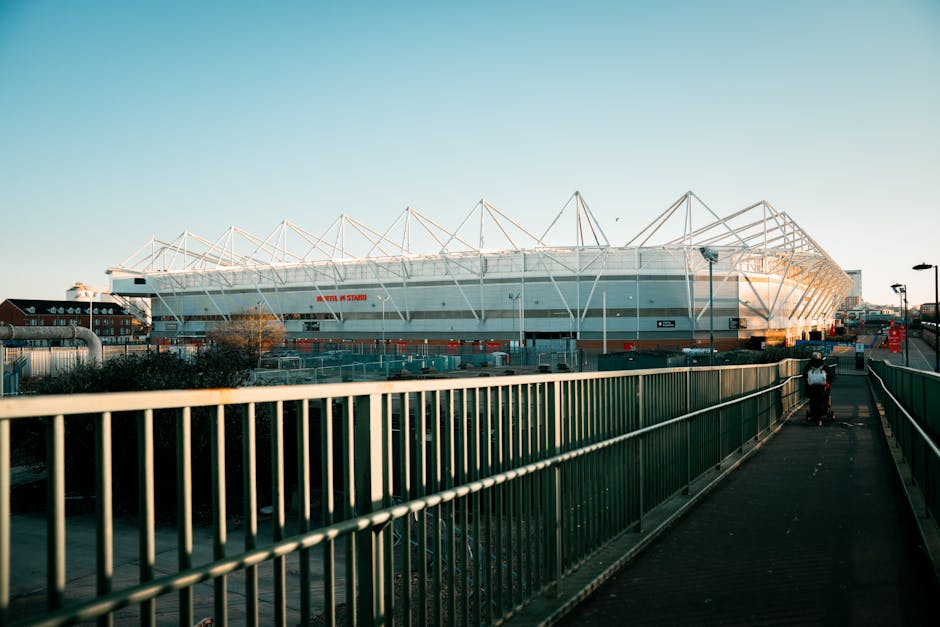
Best gardeners for White Hart Lane terraces in Tottenham
Terrace gardens around White Hart Lane have a character all their own. Some are narrow and shaded, some are bright but overlooked, and many are tucked behind brick homes where every square metre has to pull its weight. If you are looking for the best gardeners for White Hart Lane terraces in Tottenham, you probably need more than someone who can cut grass and leave. You need a gardener who understands tight access, neighbourly timing, seasonal maintenance, and how to make a small outdoor space feel calm rather than cramped.
This guide breaks down what to look for, how terrace garden care actually works in a Tottenham setting, and which services tend to matter most for these homes. You will also find a checklist, a practical comparison table, and a few honest pointers on mistakes people make when they try to manage terrace gardens on autopilot. Let's face it, a small garden can become a big headache very quickly if it is ignored for a month or two.
Table of Contents
- Why best gardeners for White Hart Lane terraces in Tottenham matters
- How terrace garden care works in practice
- Key benefits and practical advantages
- Who this is for and when it makes sense
- Step-by-step guidance
- Expert tips for better results
- Common mistakes to avoid
- Tools, resources and recommendations
- Law, compliance, standards, or best practice
- Options, methods, or comparison table
- Case study or real-world example
- Practical checklist
- Conclusion
- Frequently asked questions
Why Best gardeners for White Hart Lane terraces in Tottenham Matters
Terrace gardens in this part of Tottenham tend to be compact, practical spaces. That sounds simple enough, but in reality these gardens often need careful planning. One week of fast growth and suddenly the lawn looks scruffy, the hedge leans into the path, and the beds stop feeling intentional. A good gardener does not just tidy things up. They create order, rhythm, and a maintenance plan that fits your actual life.
The best gardeners for White Hart Lane terraces in Tottenham understand the local reality: limited side access, shared boundaries, mature trees nearby, patchy light, and the usual London mix of weather extremes. On a terrace, small decisions matter. Whether a hedge is trimmed a little too hard, whether a lawn is mown at the right height, whether a garden clearance is done neatly rather than rushed - all of it shows.
There is also the matter of peace of mind. A terrace garden can be a lovely place for tea on a grey morning, a barbecue in late summer, or just ten quiet minutes after work. When it is looked after properly, it becomes part of the home rather than another chore hanging over you. That matters more than people sometimes admit.
How Best gardeners for White Hart Lane terraces in Tottenham Works
At a practical level, terrace garden care usually begins with a simple assessment. The gardener looks at what is growing well, what is overcrowded, what needs cutting back, and what needs a longer-term fix. In a small garden, this first look is especially important because the wrong intervention can make the space feel even tighter.
A typical visit might include mowing, hedge trimming, border tidying, weeding, deadheading, leaf clearance, and a quick check for drainage issues or damaged planting. If the garden has become heavily overgrown, the work may start with a fuller clearance before moving on to maintenance. For some homes, a one-off reset is the best move; for others, regular garden maintenance keeps everything under control with less effort and fewer surprises.
It also helps when the gardener thinks in layers. Ground level, boundary level, vertical structure. That means lawn care, shrubs, hedges, and any small trees or climbing plants all get considered together. Otherwise, you end up with a neat lawn under a scruffy fence line, which is not ideal. Not exactly the look anyone is going for.
For homeowners who want a more polished finish, some terrace gardens benefit from decking or landscape improvements as part of a broader plan. Services such as landscaping and decking services can help turn a functional patch into a genuinely usable outdoor room.
Key Benefits and Practical Advantages
Hiring the right gardener is not only about appearance. A well-managed terrace garden can become easier to live with, cheaper to maintain in the long run, and far less stressful when seasons change. That last one is underrated. Autumn leaves in a small rear garden can feel harmless for about five minutes. Then they pile up, turn slippery, and suddenly every step is a reminder that you meant to deal with them last weekend.
- Better use of limited space: Small gardens need structure. Good gardening makes each area purposeful.
- Healthier plants: Regular trimming, feeding awareness, and sensible pruning reduce overcrowding and stress.
- Cleaner boundaries: Hedge and edge control make terrace gardens look cared for, not just swept.
- Less long-term repair work: Catching growth problems early often avoids bigger jobs later.
- Improved safety: Clear pathways, stable steps, and tidy access points matter in compact urban gardens.
- Better kerb appeal: Even if the garden is private, a neat rear space adds to the overall feel of the property.
One overlooked benefit is consistency. Regular work done at the right time of year prevents the garden from swinging between overgrown and stripped-back. That balance is especially useful on terraced homes, where neighbours can notice boundary growth very quickly. No one wants the informal "your ivy is doing something strange over the fence" conversation.
Who This Is For and When It Makes Sense
This kind of service is a strong fit for people who want a good-looking garden without having to manage the details every week. If you have a busy work schedule, mobility limitations, rental responsibilities, or simply no wish to spend half your Sunday wrestling with brambles, then professional help makes a lot of sense.
It is also useful for:
- homeowners preparing a terrace property for sale or letting
- families who want a safe, low-fuss outdoor area for children
- older residents who want maintenance without the physical strain
- new owners who have inherited an overgrown back garden and do not know where to begin
- people upgrading their outdoor space into something more social and usable
If your garden only needs the odd tidy-up, a lighter plan may be enough. If the hedge is overreaching, the lawn is patchy, and the borders are hiding old pots from several summers ago, you may be better off starting with a more complete reset. That is where services like garden clearance and garden maintenance become especially relevant.
Truth be told, many terrace gardens are not difficult once they have a clear routine. They are just easy to neglect because they do not shout for attention until they really, really do.
Step-by-Step Guidance
If you are planning work on a White Hart Lane terrace garden, this is the simplest way to approach it.
- Walk the garden properly. Look at the whole space, not just the obvious problem spots. Check boundaries, paths, planting beds, and any shaded corners.
- Decide what needs a one-off reset. Overgrown sections often need clearing before maintenance can begin. A tidy-up is not the same as a restoration.
- Choose the right service mix. You may only need mowing and hedge work, or you may need a more complete combination of clearance, pruning, and structural improvements.
- Set a realistic maintenance rhythm. A small garden can look great with regular visits, but the gap between visits matters. Too long and the work becomes reactive.
- Plan for access and disposal. In terrace areas, moving waste out neatly matters almost as much as the cutting itself. It keeps things efficient and respectful.
- Review results seasonally. What works in spring may need adjusting by late summer, especially with shaded or moisture-prone spaces.
A practical route for many homes is to combine mowing with hedge care, then adjust from there. If the garden has more structure than most, a look at lawn mowing and hedge trimming can help you decide what support the space really needs.
One small but useful tip: do not wait for the garden to look "bad enough" before booking help. By then, the job is usually larger, slower, and less pleasant. Better to stay ahead of it.
Expert Tips for Better Results
In our experience, the best terrace gardens are not the fanciest ones. They are the ones that feel coherent. Everything has a purpose. Nothing is fighting for space. A few simple habits make a surprisingly big difference.
- Work with shade instead of against it. Many terrace gardens in Tottenham get partial shade. Choose planting and maintenance plans that suit that reality.
- Keep edges crisp. A clean edge line can make a small garden feel twice as tidy.
- Do not overprune hedges. Hard cutting can leave gaps that take ages to recover. Gentle, regular trimming is usually better.
- Leave room to move. Paths and seating spaces should feel easy to use, not squeezed in.
- Think about waste from the start. A good gardener plans for green waste and disposal rather than treating it as an afterthought.
- Keep an eye on trees and tall growth. In terrace settings, one mature tree or bulky shrub can change light, privacy, and access more than you expect.
If you want a garden that feels more polished, consider whether small upgrades would make daily life easier. Sometimes a bit of structure is the missing piece. A neat seating area, a simple path, or better boundary management can do more than a dozen decorative extras.
And yes, the old "I'll do it next weekend" approach has probably cost many a gardener a few extra hours. We have all been there.
Common Mistakes to Avoid
Terrace gardens punish overconfidence. Not dramatically, just quietly, until the whole place starts feeling messy and harder to use. Here are the mistakes worth avoiding.
- Using a general tidy-up as a maintenance plan. One good clear-out does not replace ongoing care.
- Ignoring boundary growth. Hedges and climbing plants can become awkward very quickly in terrace settings.
- Cutting too much at once. Heavy pruning can shock plants and leave unattractive gaps.
- Forgetting the lawn's condition. Short grass is not always healthy grass. Height, moisture, and season matter.
- Leaving waste on site too long. In a small garden, leftover material makes the whole space feel unfinished.
- Choosing on price alone. Cheap work that has to be redone is not really cheap.
Another common problem is expecting every garden to behave the same way. They do not. A north-facing terrace near White Hart Lane will not need the same treatment as a sunny rear garden with open access. Good gardeners notice the difference before they start.
And if a job feels too big to start, that is usually a sign it should have been broken into stages. No shame in that.
Tools, Resources and Recommendations
The right tools make a visible difference, especially on compact terraces where neatness matters. Professional gardeners will often use equipment suited to controlled, detailed work rather than brute force. That matters because a small garden can be ruined by aggressive tools in very little time.
Useful equipment and service areas to consider include:
- precise hedge trimmers for boundary shaping
- reliable mowing equipment for smaller lawns and awkward access points
- hand tools for border cleaning, pruning, and planting
- safe waste handling and clearance methods
- seasonal maintenance planning for spring growth and autumn leaf fall
If you are comparing service types, it can help to start with a broad overview. The services overview page is a practical place to understand what different garden jobs usually involve, while pricing and quotes can help frame your expectations before you commit.
For a garden that has fallen behind, a mix of clearance work and regular upkeep is often the sensible starting point. A full redesign is not always needed. Sometimes the garden just wants a bit of order and a steady hand.
Law, Compliance, Standards, or Best Practice
Garden work in London is usually straightforward, but there are still sensible standards to follow. A reputable gardener should work safely, respect neighbouring properties, and handle waste responsibly. If tree work is involved, it should be approached carefully and only by someone who understands the risks. That is especially true with taller growth, overhanging branches, or trees close to fences and structures.
For terrace gardens, a few best-practice points matter more than people expect:
- Noise and timing: Plan work sensibly so it does not become a nuisance to neighbours.
- Safety: Tools, ladders, and cutting work should be managed with care, especially in confined spaces.
- Waste handling: Green waste should be removed or managed responsibly.
- Property respect: Narrow access routes, shared paths, and boundary features need careful handling.
- Insurance awareness: It is wise to choose a business that takes safety and liability seriously.
It is sensible to ask how a company approaches health and safety, whether they have suitable insurance, and how they deal with site risks. You can also review their stated approach to health and safety and insurance and safety before work begins. That is not being fussy. It is just good practice.
If sustainability matters to you, it is also worth checking how waste and materials are handled. The page on recycling and sustainability shows a responsible approach to garden waste and greener working habits.
Options, Methods, or Comparison Table
When choosing support for a terrace garden, the best option depends on how far the space has slipped and what you want it to become. The table below gives a simple comparison.
| Approach | Best for | Main strengths | Limitations |
|---|---|---|---|
| One-off tidy-up | Lightly neglected gardens | Quick visual improvement, low commitment | Does not prevent future overgrowth |
| Garden clearance | Heavily cluttered or overgrown spaces | Resets the garden and clears the way for better planning | May need follow-up maintenance |
| Regular maintenance | Homes that want a consistent finish | Keeps work manageable and predictable | Requires ongoing scheduling |
| Landscape improvement | Gardens needing better structure or layout | Improves usability and appearance long term | Takes more planning and usually more budget |
If your terrace garden is mostly under control, a maintenance-led approach is often enough. If it has become difficult to walk through, clear first, then build a routine. Simple, but not always easy. The order matters.
Case Study or Real-World Example
Picture a classic Tottenham terrace rear garden in early spring. It is not huge. Maybe a narrow lawn, a hedge at the back, a couple of tired beds, and a strip along the fence where weeds have been busy all winter. The homeowner has kept meaning to sort it out, but work and family life keep getting in the way.
The first visit focuses on clearance and structure. Dead growth is removed, the hedge is shaped back into line, and the lawn is brought to a manageable condition. The borders are edged, old debris goes, and the garden starts to breathe again. Nothing dramatic. Just a sensible reset.
Then the second step is maintenance. A short visit every few weeks keeps the hedge from sprinting away, the lawn healthy, and the beds tidy enough that the space feels inviting rather than demanding. The garden shifts from "job to do" into "space to use." That is the real win.
This is the kind of result people often want when they search for the best gardeners for White Hart Lane terraces in Tottenham. Not perfection. Just a garden that feels calm, practical, and easy to enjoy on a Tuesday evening without needing a whole weekend to rescue it.
Practical Checklist
Before you book, it helps to run through a quick checklist. This keeps the conversation focused and avoids those awkward "oh, I didn't realise that was included" moments.
- Is the garden mainly a tidy-up, a clearance, or an ongoing maintenance job?
- Are there hedges, shrubs, or small trees that need specialist attention?
- Is access tight, shared, or awkward?
- Do you want a one-off visit or regular upkeep?
- Are you hoping to improve the layout, not just the appearance?
- Will waste need to be removed from site?
- Do you want lawn care, hedge work, or a broader combination of services?
- Have you checked the company's approach to safety, insurance, and recycling?
- Do you have a realistic budget and a rough timescale?
- Are there any neighbour-sensitive issues such as boundary overgrowth or access times?
If you want to move from planning to action, the most direct next step is to review the business background on the about us page, then decide what support your garden really needs. A clear brief makes for a much better job.
Get a free quote today and see how much you can save.
Conclusion
The best gardeners for White Hart Lane terraces in Tottenham are the ones who understand that small urban gardens need precision, consistency, and a bit of common sense. A terrace garden is not just a patch of ground. It is part of daily life, part of the home, and often the only outdoor breathing space people have.
If you choose a gardener who can handle clearance, maintenance, hedge work, lawn care, and sensible improvement planning, you will end up with a garden that feels easier to live with year-round. That is the goal. Not a flashy transformation that fades in a week, but a space that quietly works for you.
And when it is done well, you notice it every time you open the back door. The garden looks ready. That simple feeling is hard to beat.
Frequently Asked Questions
What makes a gardener suitable for terrace gardens in White Hart Lane?
A suitable gardener understands compact layouts, limited access, boundary management, and the need for neat, regular upkeep rather than heavy-handed work.
Do terrace gardens in Tottenham need regular maintenance?
Usually, yes. Small gardens can become untidy quickly, especially in spring and early summer. Regular maintenance keeps the space manageable and avoids bigger jobs later.
Is garden clearance different from garden maintenance?
Yes. Clearance deals with overgrowth, clutter, and a general reset. Maintenance keeps the garden tidy after that first stage has been completed.
What services are most useful for a terrace garden?
For most terrace gardens, lawn mowing, hedge trimming, border tidying, pruning, and occasional clearance are the core services. Some gardens also benefit from landscaping or decking.
How often should a small urban garden be visited?
That depends on growth, shade, and how much use the garden gets. Some gardens only need occasional visits, while others benefit from regular scheduled care through the growing season.
Can a gardener help if my garden is badly overgrown?
Yes, provided the job is approached in stages. A professional can usually clear the space first and then suggest a maintenance plan to stop it getting out of hand again.
Should I choose the cheapest gardener?
Not automatically. On terrace gardens, neatness, care, and reliability matter a lot. Cheap work that needs repeating often costs more in the end.
What should I ask before booking a gardener?
Ask what is included, whether waste removal is part of the service, how they handle safety, what their experience is with small urban gardens, and whether they recommend maintenance after the first visit.
Can a gardener improve the layout as well as the upkeep?
Yes. Many gardens benefit from simple landscape changes, better edging, improved access, or decking. A modest layout improvement can make a terrace garden much easier to enjoy.
Do gardeners remove waste from the property?
Some do and some do not, so it is best to check in advance. Waste handling is especially important on terrace properties where space is limited and a tidy finish matters.
How do I know if I need hedge trimming or a full clearance?
If the hedge is just getting untidy, trimming may be enough. If the garden is generally congested, blocked, or difficult to access, you may need a fuller clearance first.
Where can I learn more about the services available?
A good place to start is the services overview, which helps you match the condition of your garden to the kind of support it needs.