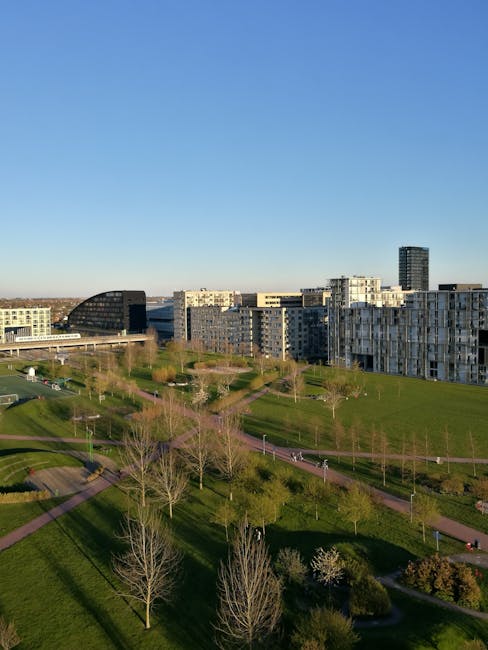
Tottenham Hale Garden Maintenance Guide for Riverside Flats
If you live in a riverside flat in Tottenham Hale, garden care can feel a bit like trying to keep a plant happy on a moving boat. Wind, shade, damp air, limited space, and awkward access all change the rules. This Tottenham Hale garden maintenance guide for riverside flats is designed to help you keep balcony planters, shared podium gardens, and small courtyard spaces tidy, healthy, and genuinely pleasant to use.
Whether you are a leaseholder, tenant, building manager, or part of a residents' group, the basics stay the same: consistent upkeep, sensible plant choices, safe access, and a maintenance plan that fits your building. And yes, that matters more on the riverside than people expect. A neat planting bed can look great in April and, three windy weeks later, be flopping around like it has had a rough commute.
This guide walks through what matters, how maintenance works in practice, the common mistakes to avoid, and when it makes sense to bring in professional help. If you want a broader overview of services as well, the services overview and garden maintenance support pages are useful starting points.
Table of Contents
- Why Tottenham Hale Garden Maintenance for Riverside Flats Matters
- How It Works
- Key Benefits and Practical Advantages
- Who This Is For and When It Makes Sense
- Step-by-Step Guidance
- Expert Tips for Better Results
- Common Mistakes to Avoid
- Tools, Resources and Recommendations
- Law, Compliance, Standards, or Best Practice
- Options, Methods, or Comparison Table
- Case Study or Real-World Example
- Practical Checklist
- Conclusion
- Frequently Asked Questions
Why Tottenham Hale Garden Maintenance for Riverside Flats Matters
Riverside flats have their own little ecosystem. You get more exposure to wind, moisture, reflected light from water and glass, and often less shelter than a street-facing property. That changes how plants grow, how soil dries out, and how quickly weeds, moss, or algae can settle in. Even a small balcony can become messy fast if it is left unchecked for a month.
In Tottenham Hale, many flats also rely on shared outdoor spaces. That means maintenance is not just about appearance. It is about keeping surfaces safe, drainage open, and planting healthy enough to survive the seasons without constant replacement. A neglected planter can overflow with dead stems and trapped water; a tidy one feels calm, usable, and easier to manage. Truth be told, that difference is felt immediately when you step outside with a coffee on a Saturday morning.
There is also the neighbour factor. Riverside developments often have close communal layouts, so poor upkeep can quickly affect everyone. Overgrown shrubs can block walkways, leaf litter can clog drains, and poorly watered containers can leave residue on paving. Good maintenance reduces those small frustrations before they become complaints.
For residents who want a broader maintenance plan rather than one-off tidying, it is often worth looking at regular garden maintenance alongside services like lawn mowing and hedge trimming where those elements exist in communal spaces.
How Tottenham Hale Garden Maintenance for Riverside Flats Works
Maintenance for riverside flats is usually a mix of routine care, seasonal adjustment, and practical risk control. The exact setup depends on whether you are dealing with private balconies, shared podium gardens, roof terraces, entrance planters, or a small landscaped area around the block.
In simple terms, the work tends to fall into a few categories:
- Cleaning and clearing - removing leaves, litter, spent flowers, broken stems, and built-up debris.
- Plant care - watering, feeding, deadheading, light pruning, and replacing tired plants.
- Surface care - sweeping, checking drainage holes, reducing slippery algae, and keeping paths usable.
- Structural care - inspecting planters, timber edging, trellis, decking, and supports.
- Seasonal resets - refreshing displays, cutting back growth, and planning for winter or summer stress.
On riverside sites, maintenance is rarely just about looking tidy. Moisture can linger. Wind can dry pots out quicker than you expect. And in colder months, some plants will struggle unless they are in the right position. So the work is part horticulture, part practical building care. A slightly unglamorous combo, but a useful one.
If you are exploring bigger changes rather than routine upkeep, the landscaping and landscape gardening pages are relevant because they cover more structural improvements and planting layouts that suit compact urban spaces.
Key Benefits and Practical Advantages
Good maintenance pays off in ways you can see quickly. The obvious benefit is appearance, but there is more to it than that.
- Better first impressions - tidy planters and clean edges make the whole development feel looked after.
- Safer surfaces - regular clearing helps reduce slick leaves, algae patches, and trip hazards.
- Healthier planting - deadheading, pruning, and feeding keep plants stronger for longer.
- Less expensive replacement - small interventions usually cost less than replanting large areas later.
- More usable space - residents are more likely to sit out, rather than avoid a neglected area.
- Better pest control - removing waste and standing debris reduces hiding places for unwanted pests.
There is a quieter benefit too: peace of mind. When the planting is in order, you stop noticing small problems every time you open the balcony door. You know the drill. A messy corner becomes one more thing on an already long list. A tidy space, on the other hand, lets you breathe a bit.
For buildings that also have decks or raised timber seating areas, maintenance can be paired with decking services to keep the outdoor area visually coherent and structurally sound.
Who This Is For and When It Makes Sense
This guide is for anyone responsible for outdoor space in a Tottenham Hale riverside flat. That includes private homeowners, landlords, block managers, resident associations, and tenants with balconies or terraces that need a bit of ongoing care.
It makes sense when:
- your balcony or communal garden looks tired between seasons
- plants keep failing because the space is too windy, too shaded, or too wet
- there are recurring issues with leaves, drainage, or slippery paving
- you need a maintenance routine that works around apartment living
- you want to keep a managed building looking consistent without overdoing it
It is especially useful for people who like the idea of greenery but do not have time for a deep weekly routine. Let's face it, not everyone wants to spend Sunday morning with a trowel and a head torch because a planter has gone feral overnight.
If the outdoor space has become heavily overgrown, cluttered, or full of old pots and broken furniture, a one-off garden clearance may be the smarter first move before maintenance begins.
Step-by-Step Guidance
Here is a practical way to manage riverside flat gardens without making the process overcomplicated.
- Start with a clean slate. Remove litter, dead leaves, damaged pots, and anything that blocks inspection of the space.
- Check drainage first. Make sure planters, trays, and paved areas are not holding water. Water sitting around is usually the beginning of another problem.
- Assess light and wind exposure. Some parts of the terrace may need tougher plants or more sheltered placement than others.
- Prune with a light hand. Trim only what is necessary at first. Over-pruning can leave a flat looking bald and a bit sad for weeks.
- Replenish soil and mulch. Fresh compost helps container plants recover, and mulch can slow down drying.
- Water properly. Containers usually need deeper, less frequent watering rather than tiny daily sprinkles.
- Feed according to season. Plants in pots run out of nutrients faster than many people expect.
- Replace weak plants early. If a plant is repeatedly struggling, swap it for something better suited to the site.
- Set a schedule. A monthly or fortnightly review is often enough for small spaces, but exposed balconies may need more frequent checks in summer.
A simple routine often works best: clean, inspect, adjust, then maintain. If you skip the inspection stage, you end up treating symptoms instead of the cause. For example, a plant that always dries out by Friday may need a larger pot, not just more watering. Small change, big difference.
What to focus on in a riverside setting
Pay close attention to the edges of the space, because that is where wind damage and debris build-up usually show first. Pots near railings may dry out fastest. Shadier corners can go mossy. Areas close to steps or shared walkways may need extra sweeping to avoid slippery patches. It all adds up.
Expert Tips for Better Results
A few small decisions make a big difference in compact urban planting. These are the things that tend to improve results without adding loads of work.
- Choose the right plants for the microclimate. A riverside flat can be breezier and brighter than you expect, even when the street below feels calm.
- Use larger containers where possible. They hold moisture better and are less likely to tip over or overheat.
- Group plants by water need. That makes watering easier and reduces waste.
- Keep a consistent pruning rhythm. Light, regular pruning is usually better than occasional heavy cutting.
- Check fixings and supports. Trellis, rail planters, and screens should be secure, especially in exposed spots.
- Use hardy, low-fuss species where practical. Not every balcony needs delicate plants that sulk at the slightest breeze.
One practical habit: do a quick visual scan after strong wind or heavy rain. It only takes a minute, but it can save you from finding a half-fallen pot or waterlogged tray later that evening. Those little checks are boring, yes, but they work.
Where a space needs more than maintenance and is simply not functioning well, it may be time to review the layout with a landscape gardening approach rather than trying to patch over a poor design.
Common Mistakes to Avoid
Most problems in riverside flat gardens are not dramatic. They are usually the result of small, repeated habits. The upside is that they are fixable.
- Using plants that are too delicate for the site. A sheltered garden centre display is not the same as a windy terrace.
- Overwatering containers. Soggy roots are a common cause of decline, especially where drainage is poor.
- Ignoring debris in corners. Leaves and damp matter can create slippery buildup and attract pests.
- Cutting back too hard. Some shrubs and climbers recover slowly from heavy pruning.
- Forgetting access issues. If maintenance needs ladders or awkward reaching, plan for it safely rather than improvising.
- Letting one season dictate the whole plan. What works in June may fail by November. British weather enjoys a bit of drama.
Another quiet mistake is leaving replacement too long. If a plant has been failing for months, it is usually sending a message. Listen to it. A tired-looking container can drag down the whole space, even if everything else is perfect.
Tools, Resources and Recommendations
You do not need a shed full of specialist kit to keep a flat garden in good shape. In fact, too many tools in a small apartment can become part of the problem.
| Tool or Resource | Best Use | Why It Helps in Riverside Flats |
|---|---|---|
| Hand pruners | Light trimming and deadheading | Compact, precise, and safer than overusing big tools in tight spaces |
| Leaf rake or soft broom | Clearing debris from paving and corners | Helpful for preventing slippery build-up after wind or rain |
| Watering can or compact hose setup | Controlled watering | Better for containers than guesswork with a big spray |
| Quality compost | Refreshing pots and planters | Keeps nutrient levels healthier between seasonal changes |
| Plant ties and supports | Stabilising climbers or tall stems | Useful where wind makes plants lean or snap |
| Maintenance log | Tracking watering, pruning, and replacements | Stops you forgetting what was done and when |
If you are hiring someone to handle regular upkeep, it is worth checking service standards, access arrangements, and insurance. The page on insurance and safety is a useful reference point, and the health and safety policy explains the kind of careful working practices you should expect.
For cost planning, the pricing and quotes page can help you understand how enquiries are usually handled. It is always better to ask early than to guess, especially when access or shared areas may affect the job. Saves the awkward back-and-forth later.
Law, Compliance, Standards, or Best Practice
For flat gardens and communal outdoor areas, compliance is mainly about being sensible, careful, and consistent with common UK property-management practice. The exact responsibilities vary depending on whether the space is private, communal, leased, or managed by a building operator. So, rather than assuming one rule fits every site, it is better to confirm who is responsible for what.
As a general best practice, keep maintenance arrangements clear in writing where possible. That helps avoid confusion over watering, pruning, access, waste removal, and replacement planting. In shared spaces, it is also wise to make sure contractors are properly insured and that work can be carried out without putting residents at risk.
Some practical points to keep in mind:
- do not block fire routes, exits, or shared walkways with pots or stored materials
- keep surfaces free from obvious slip hazards where people walk
- make sure taller planting does not obstruct sightlines or create a nuisance
- handle tools and materials so they do not create hazards in common areas
- check that any access equipment is suitable for the site and used carefully
If you need a clear sense of service boundaries, communication, and expectations, the terms and conditions page can help set the tone for what a professional service typically covers. And if you are looking into the company background before booking, the about us page is worth a read.
It is also sensible to think about waste handling and sustainability. Plant waste, packaging, old compost, and damaged materials should be dealt with responsibly. The recycling and sustainability page gives a useful indication of that mindset. Not glamorous, perhaps, but it matters.
Options, Methods, or Comparison Table
There is no single best way to maintain a riverside flat garden. The right method depends on the size of the space, how exposed it is, and how much time you can give it.
| Method | Best For | Pros | Trade-offs |
|---|---|---|---|
| DIY light upkeep | Small balconies or a few planters | Low cost, flexible, easy to fit around daily life | Can slip if you get busy, and issues may build up |
| Seasonal deep tidy | Spaces that need a reset a few times a year | Good for clearing clutter and refreshing planting | Does not prevent in-between deterioration |
| Regular professional maintenance | Communal gardens, managed developments, busy households | Consistent, more reliable, better for shared standards | Higher ongoing cost than occasional DIY |
| Redesign plus maintenance | Poorly functioning or overcomplicated spaces | Solves root problems, not just symptoms | Needs more planning and usually a bigger upfront step |
For many riverside flats, the sweet spot is a combination: a simple weekly resident check plus a professional seasonal visit. That keeps costs reasonable while still preventing the messy, tired look that can creep in quietly over time.
Case Study or Real-World Example
Here is a realistic example based on the kind of work these spaces often need.
A small riverside apartment block in Tottenham Hale had a shared podium area with a handful of planters, a narrow path, and a seating corner that residents barely used. The space looked fine in spring, but by late summer the containers were patchy, the edges were weedy, and wind had snapped a few stems. Leaves also gathered in the back corner after rain. Nothing dramatic, just enough to make the area feel half-finished.
The fix was straightforward. The team cleared old debris, removed damaged growth, replaced a few weak plants with more suitable varieties, refreshed the compost, and adjusted the layout so the most exposed pots were grouped more sensibly. They also introduced a light maintenance schedule, which included regular checks on drainage and pruning.
The result was not flashy. It did not need to be. The space became easier to use, better to look at, and far less likely to slide back into neglect. Residents started using the seating area again, which is usually the best sign of all. A garden is doing its job when people want to sit there for five quiet minutes.
Practical Checklist
Use this checklist to keep riverside flat gardens in decent shape without overthinking it.
- Clear leaves, litter, and dead plant matter
- Check for blocked drainage holes and standing water
- Inspect pots, planters, and supports for damage
- Water according to weather, exposure, and container size
- Trim back weak or overgrown growth
- Replace failing plants before they drag the space down
- Sweep or wash slippery patches on paving or decking
- Review the space after strong winds or heavy rain
- Keep access routes clear and uncluttered
- Set the next maintenance date before you forget
If your space includes persistent overgrowth or bulky waste, start with clearance, then move into ongoing care. That sequence usually feels calmer and is easier to manage. No point polishing the floor while the cupboard is still falling out, as they say.
Get a free quote today and see how much you can save.
Conclusion
Riverside flat garden care in Tottenham Hale is really about keeping things practical, not perfect. The best-maintained spaces are usually the ones that are cleaned regularly, planted intelligently, and reviewed before small issues become annoying ones. If you remember nothing else, remember this: good maintenance is less about grand transformations and more about steady attention.
That approach works especially well in compact urban settings where weather, access, and shared-use pressures all shape the outcome. A little planning goes a long way. So does a reliable routine. And if the space ever starts to feel too much, that is usually a sign to simplify rather than push harder.
Handled well, even a modest balcony or podium garden can feel calm, lived-in, and genuinely useful through the seasons. That is the real win.
Frequently Asked Questions
What is the best maintenance routine for a riverside flat garden?
A good routine usually combines weekly visual checks, regular debris removal, seasonal pruning, and container watering based on weather. For exposed spaces, a slightly more frequent check is often worthwhile.
How often should balcony plants be watered in Tottenham Hale?
It depends on container size, sun, wind, and the plant type. Riverside balconies can dry out quickly in warm or breezy weather, so soil should be checked rather than watering by habit alone.
What plants work best in riverside flats?
Tougher, low-maintenance plants tend to perform better in windy or changeable conditions. The best choice depends on light levels, shelter, and whether the space is shaded by nearby buildings.
Do communal gardens need professional maintenance?
Not always, but they often benefit from it. Shared spaces usually need a consistent standard, which is easier to maintain with scheduled visits than with occasional DIY fixes.
Can I use garden maintenance on a small balcony?
Yes. Balcony care is still garden maintenance, just on a smaller scale. It usually focuses on containers, cleaning, pruning, watering, and keeping surfaces safe.
What should I do if plants keep failing on my terrace?
First check light, wind exposure, drainage, and pot size. If a plant keeps failing, it may be in the wrong position or simply unsuitable for the space.
How do I stop algae or slippery buildup on paving?
Regular sweeping, prompt debris removal, and sensible cleaning usually help. It is also worth checking whether water is pooling anywhere after rain.
Is garden clearance needed before maintenance starts?
If the space is cluttered, overgrown, or full of old materials, yes, clearance often makes sense first. Maintenance works better once the area is reset.
How do I choose between DIY and professional help?
DIY is fine for small, simple spaces if you have time and confidence. Professional help makes more sense where access is awkward, the area is shared, or the upkeep keeps slipping.
Are there safety concerns with maintenance in flat developments?
Yes, especially around access, slip hazards, and shared walkways. Good practice is to keep routes clear, use the right equipment, and make sure work is handled carefully.
What is the difference between landscaping and maintenance?
Maintenance keeps the current space in good condition. Landscaping changes or improves the structure, layout, or planting scheme. In many cases, both are useful at different stages.
How can I keep maintenance costs under control?
Stick to a clear routine, catch issues early, and avoid letting the space deteriorate until it needs a full reset. Small regular jobs are usually easier to manage than big reactive ones.
Where can I learn more about related services?
You can explore the services overview, read about garden maintenance, or review pricing and quotes if you are planning next steps.
How do I contact the team if I want to discuss my space?
Use the contact us page to make an enquiry. If you prefer to know more about the business first, the about us page is also helpful.